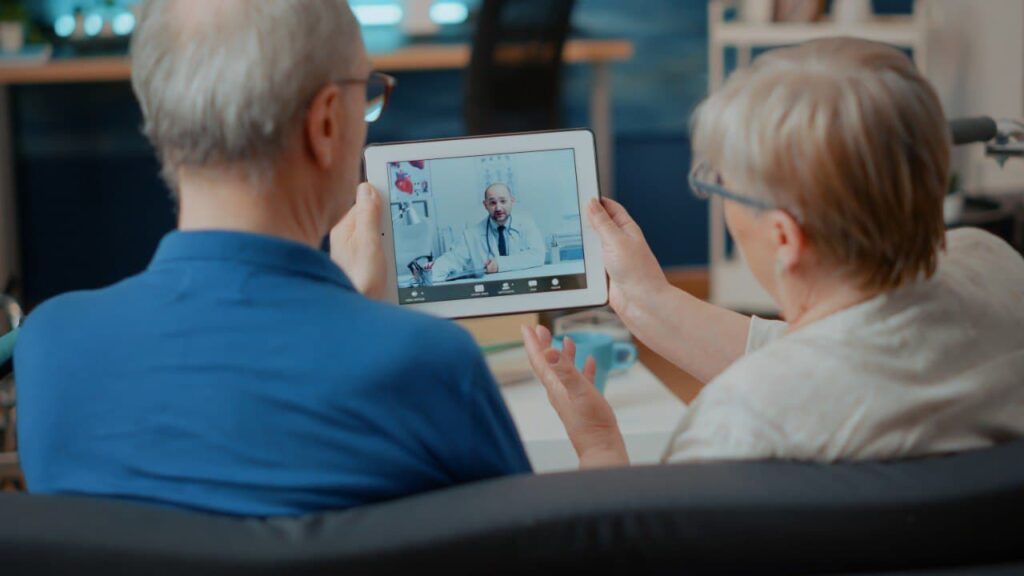
Telemedicine has become one of the most transformative innovations in modern healthcare, especially for elderly patients who often struggle with mobility, chronic diseases, and access to timely medical care. With the rapid expansion of digital health services, platforms like Telepezeshk now offer seniors a safe, fast, and convenient way to receive medical consultations without needing to travel to clinics or hospitals.
In this comprehensive article, we explore the role of telemedicine in elderly care, its benefits, practical use cases, challenges, and why telehealth is becoming essential for aging populations around the world.
Telemedicine refers to the use of digital tools—such as video calls, mobile apps, and remote monitoring devices—to deliver healthcare services from a distance. For elderly individuals, who often face physical limitations or chronic conditions, telemedicine provides an essential bridge to continuous, accessible care.
Key reasons why seniors benefit from telemedicine include:
Reduced need for travel
Quicker access to specialists
Lower exposure to infections in hospitals
Continuous monitoring of chronic illnesses
Increased independence and comfort in familiar environments
Platforms such as Telepezeshk make it possible for seniors to receive professional medical care anytime and anywhere.
One of the biggest challenges for elderly individuals is mobility. Many suffer from arthritis, muscle weakness, balance disorders, or general fatigue. Telemedicine eliminates the need for:
Taxi or ambulance rides
Waiting in traffic
Navigating crowded hospitals
With a simple video call through Telepezeshk, seniors receive medical advice instantly—right from their homes.
Most seniors face at least one chronic illness such as:
Diabetes
Hypertension
Chronic respiratory diseases
Heart failure
Arthritis
Telemedicine allows ongoing monitoring and follow-ups with minimal disruption. Doctors can:
Adjust medication
Review blood pressure or glucose levels
Evaluate symptoms regularly
Prevent dangerous complications
Early detection and intervention significantly improve quality of life.
Elderly patients have weaker immune systems and are more vulnerable to infections, especially in crowded medical environments. Virtual visits protect them from unnecessary exposure.
Telepezeshk enables private and secure consultations without setting foot in a hospital.
Access to cardiologists, pulmonologists, neurologists, and geriatricians can be difficult in many regions. Telemedicine removes barriers by connecting seniors with experts regardless of location.
Even if a specialist is located in another city, telehealth brings them directly to the patient’s home.
Adult children often worry about their elderly parents—especially when living far away. Telemedicine provides reassurance because:
Doctors can monitor conditions regularly
Medical files and prescriptions remain organized
Emergency consultations are available
Families can remain informed and involved in medical decisions.
Seniors can consult with general practitioners or specialists for:
Medication adjustments
Symptom evaluation
Lab test reviews
Preventive care
These visits are quick and do not require physical presence.
Wearable devices help track:
Heart rate
Blood pressure
Oxygen saturation
Sleep quality
Doctors on Telepezeshk can analyze this data and take early action if something appears abnormal.
Loneliness and depression are common among elderly individuals. Telehealth enables them to access:
Psychologists
Psychiatrists
Emotional support sessions
This greatly improves mental well-being.
Doctors can:
Review prescriptions
Prevent harmful drug interactions
Remind patients of dosage schedules
This is crucial because elderly patients often take multiple medications.
Some seniors may struggle with smartphones or apps. Telepezeshk simplifies this with:
Easy-to-use interfaces
Large icons and readable text
Simple instructions for video calls
Family members can also assist during sessions.
Low-bandwidth video calls ensure consultations remain possible even with weaker internet connections.
Not all medical issues can be diagnosed remotely. However, telemedicine helps identify when an in-person visit is truly necessary—saving time and reducing unnecessary hospital trips.
Telepezeshk offers:
24/7 access to certified doctors
Video consultations with specialists
Electronic prescriptions
Follow-up reminders
Secure health records
It is designed to help seniors feel supported, safe, and cared for.
Telemedicine is no longer a luxury—it’s a necessity. For elderly individuals, it provides:
Independence
Safety
Convenience
Continuous medical supervision
By using platforms like Telepezeshk, seniors can receive high-quality healthcare without leaving the comfort of their homes. As the world grows older, telemedicine will continue to play a vital role in improving the health and quality of life of elderly populations.