Health crises such as earthquakes, floods, wars, pandemics, and other natural or man-made disasters have always posed major challenges to healthcare systems around the world. In these situations, medical infrastructure is often overwhelmed, access to physicians becomes limited, and traditional healthcare delivery may become difficult—or even impossible.
In recent years, telemedicine has emerged as a powerful and effective solution for health crisis management. Online medical platforms such as Telepezeshk have demonstrated that digital healthcare can maintain access to medical services even under the most critical conditions.
This article explores how telemedicine plays a vital role in managing health crises and why it has become a cornerstone of resilient healthcare systems.
A health crisis occurs when the demand for medical services suddenly increases while healthcare resources become limited, disrupted, or inaccessible.
Earthquakes and natural disasters
Floods, storms, and large-scale fires
Infectious disease outbreaks and pandemics
Wars and social unrest
Industrial and chemical accidents
These situations typically result in:
Damage to hospitals and clinics
Shortages of healthcare professionals
Overcrowded emergency facilities
Transportation and communication disruptions
Increased risk of disease transmission
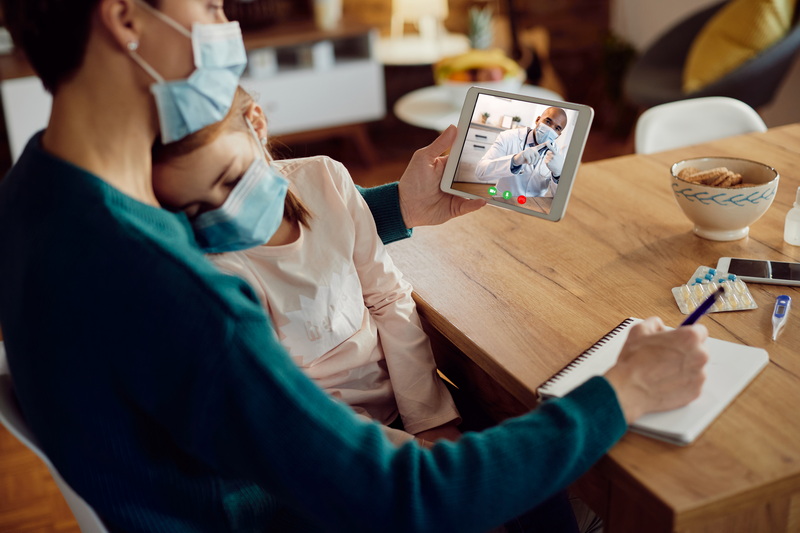
Telemedicine refers to the delivery of healthcare services remotely using digital communication technologies. These services include online consultations, medical advice, remote monitoring, electronic prescriptions, and electronic health records (EHRs).
During health crises, telemedicine becomes especially important due to its unique advantages:
No need for physical presence
Rapid access to medical professionals
Wide geographic coverage
Reduced burden on healthcare facilities
Improved safety for both patients and providers
After earthquakes or natural disasters, roads and healthcare facilities may be damaged or destroyed. Telemedicine allows patients in affected regions to connect with physicians remotely.
Using platforms like Telepezeshk, patients can:
Report symptoms
Receive immediate medical guidance
Avoid unnecessary hospital visits
This rapid access can be lifesaving in emergency situations.
Not all patients require in-person treatment during crises. Telemedicine enables physicians to:
Identify urgent and life-threatening cases
Manage mild conditions remotely
Allocate limited medical resources effectively
Remote triage plays a critical role in saving lives and preventing system overload.
First responders and rescue teams can use telemedicine to consult with specialists in real time, improving on-site medical decision-making and treatment outcomes.
One of telemedicine’s greatest advantages during pandemics is minimizing physical contact. Online consultations help to:
Keep potentially infected patients at home
Reduce overcrowding in hospitals and clinics
Protect healthcare workers from exposure
This approach proved essential during the COVID-19 pandemic.
Telemedicine enables continuous monitoring of infected or suspected patients by:
Tracking symptoms remotely
Adjusting treatment plans
Determining when in-person care is required
This model is safer, more efficient, and scalable during widespread outbreaks.
Telemedicine platforms also serve as reliable channels for:
Preventive education
Combating misinformation
Improving public health awareness
Accurate communication is critical during health emergencies.
Electronic Health Records are a key asset during health crises because they allow:
Instant access to patient medical histories
Prevention of medication errors and drug interactions
Continuity of care even if patients are displaced
Coordination among multiple healthcare providers
At Telepezeshk, secure EHR systems support informed decision-making even under extreme conditions.
Health crises often cause significant emotional distress and anxiety. Telemedicine helps by:
Providing easy access to physicians
Offering online mental health consultations
Maintaining continuous patient–provider communication
This support improves mental well-being and promotes a sense of security during uncertain times.
Despite its benefits, telemedicine faces several challenges in crisis situations:
Internet or power outages
Limited digital literacy among some users
Restrictions on physical examinations
The need for secure and resilient infrastructure
With proper planning, training, and investment, these challenges can be significantly mitigated.
Telepezeshk is designed to support healthcare delivery during emergencies through:
Fast access to medical specialists
Secure electronic health records
Reliable online consultation systems
Strict patient privacy and data protection
These features make Telepezeshk a reliable partner in crisis healthcare delivery.
In the future, telemedicine will increasingly integrate advanced technologies such as:
Artificial intelligence
Remote patient monitoring devices
Health data analytics
These innovations will further strengthen healthcare systems’ ability to respond to emergencies. Countries that invest early in telemedicine infrastructure will be better prepared for future crises.
Managing health crises without modern digital solutions is no longer feasible. Telemedicine has proven to be a powerful tool for maintaining access to medical care, reducing pressure on healthcare systems, and saving lives during emergencies.
By adopting a smart, patient-centered approach, Telepezeshk plays a crucial role in building a resilient, flexible, and future-ready healthcare system capable of responding effectively to health crises.